
The delay that hurts a law firm most usually starts after the client says yes.
A signed client still has to move through tasking, records, updates, billing, and follow-up. In many firms, work still lives across too many screens and too many people. This, then, results in staff spending too much unnecessary time chasing status updates, rebuilding timelines, and figuring out what happened last instead of moving the matter forward.
Litify was built to compress that stretch of the case. The Salesforce-based platform provides law firms and corporate legal departments with a single system for intake, matter management, billing, reporting, and client communication. That scale is no longer niche. Litify lists more than 450 enterprise customers and 70,000 legal professionals, and third-party company trackers put total funding at about $78.6 million.
Case Management Speed Is Now a Competitive Advantage for Law Firms
Speed at intake now reaches well beyond client service. It can affect whether a firm signs the case, how quickly staff can move it into active work, and how much revenue the file can produce over time.
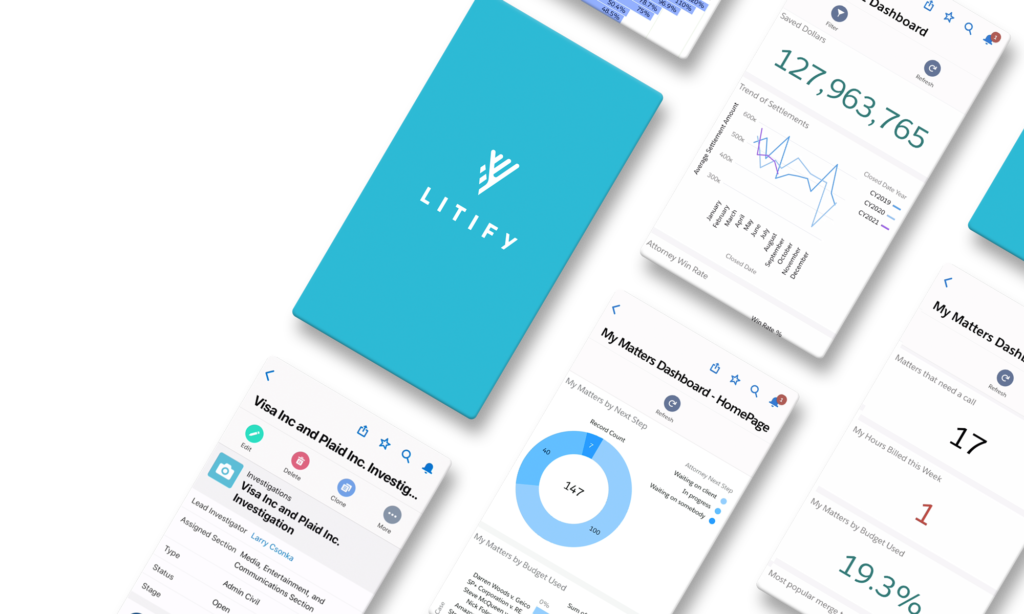
With Litify’s dynamic questionnaires, intakes move forward without forcing staff through irrelevant questions. Matter plans are assigned the next steps automatically, and dashboards show where work is moving and where it’s backing up. The point is not to add another layer of software. It is to keep a matter from losing momentum between one stage and the next.
The Biggest Bottleneck in Most Firms
The bottleneck in most firms is coordination, and this doesn’t happen only in legal firms.
More often, someone has to confirm the strategic approach, send the follow-up, check the deadline, and update the file in a way that the next person can easily interpret. That is where matters stall. Not in the legal strategy, but in the administrative work that surrounds it.
The timeline solves this specific file-management problem. When a matter changes hands, the next person does not have to search through emails, notes, calendar entries, and task updates to figure out whether records were requested, whether treatment status was updated, when the client was last contacted, or which deadline is coming next. That history sits in one chronological view. For high-volume firms, that reduced delay could mean weeks of reallocating hours to more important tasks.
How Litify Helps Firms Close Cases Faster Without Hiring More Staff
Litify works best as the operating system around the file. In many firms, margin is lost in the routine breaks between stages of work, especially when someone spends valuable time piecing together the history of a matter before moving it forward. Litify reduces that drag by carrying intake information directly into the matter, triggering the next actions through automated plans, and giving staff a chronological timeline that shows what has been done and what still needs attention. The result is a file that is easier to pick up, easier to manage, and less likely to lose momentum as it moves across the firm.
That shift goes beyond efficiency. It improves how a practice converts work into revenue. A personal injury firm, for example, partnered with Litify and raised intake conversion to 50 percent after using the analytics and workflow tools to sharpen follow-up and identify what was working at the front end. Similarly, an insurance litigation defense partner increased billing collection rates by 10 percent after bringing billing and practice management into one system. Those results speak to the same point from different ends of the case lifecycle: when firms reduce friction in the work around the file, they create stronger financial outcomes.
The Future of Legal Operations Is Automated and Client-Centric
The next advantage in legal operations will not come from adding more software. It will come from building a case file that can move without losing context. That is the real pressure point inside a growing firm. Every delay in a workflow costs more than money; it weakens client experience and trust. With Litify, these bottlenecks are addressed proactively, so each file does not have to be rebuilt every time it changes hands.
That is why the case activity timeline matters more than it first appears. It turns the file into a working record rather than a trail of disconnected updates. The people touching the matter are not starting from scratch each time but are stepping into a clearer sequence of activity. For firms trying to grow without letting service slip, that is not a minor product detail. It is the difference between a practice that only “manages” cases and one that actually keeps them moving.