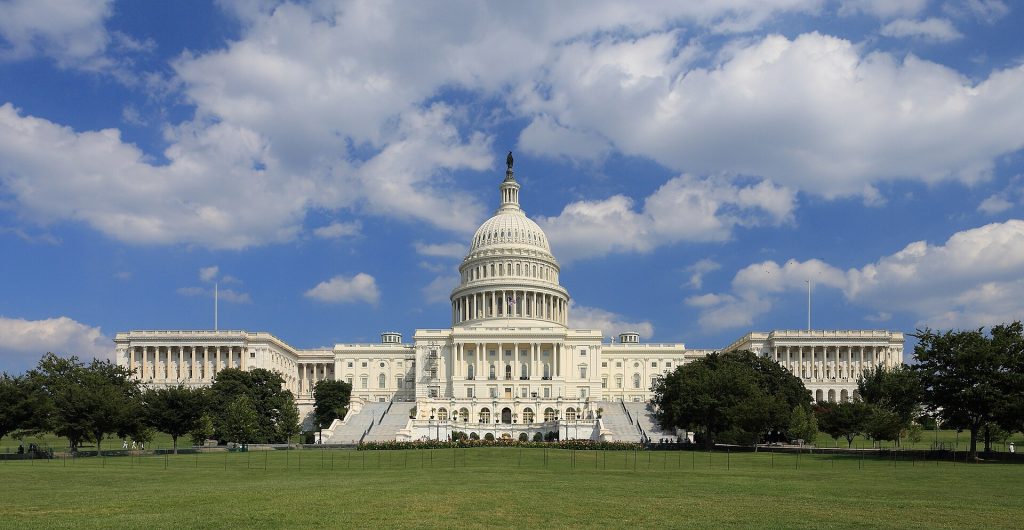
Republican lawmakers could expedite a bill to shield fossil fuel companies from climate lawsuits before the end of the current Congress, climate accountability advocates warn. The proposal, known as the Stop Climate Shakedowns bill, could also void state climate superfund laws, according to reporting on the proposal.
Hundreds of elected leaders and climate groups have urged congressional Democratic leadership to reject any measure granting the industry immunity. Iyla Shornstein, political director for the Center for Climate Integrity, said the recent election results showed voters do not want such legislation, while advocates warn lawmakers may attach immunity language to other bills. The debate over state regulatory authority offers a separate example of how federal and state policymaking can intersect.
How Congress Could Revive the Bill After Its September Setback
Republican lawmakers introduced the Stop Climate Shakedowns bill in April. Senator Ted Cruz and Representative Harriet Hageman introduced companion Senate and House measures. Cruz said environmental groups had coordinated litigation against American energy producers and called the cases meritless.
The bill stalled in September after the House judiciary committee failed to advance it. Shornstein said lawmakers could still move it quickly or add immunity language to other legislation before the current Congress ends. Kathy Mulvey, program director for fossil fuel accountability at the Union of Concerned Scientists, said she expected supporters to view the lame-duck session as an opportunity to advance the Cruz-Hageman bill.
Shornstein described four central provisions: dismissing existing climate liability suits against fossil fuel companies, barring new suits, voiding climate superfund laws, and declaring the federal government the sole authority over greenhouse gas regulation and the climate crisis. That last provision would pre-empt states from acting, she said.
Lawsuits and State Cost Recovery Efforts
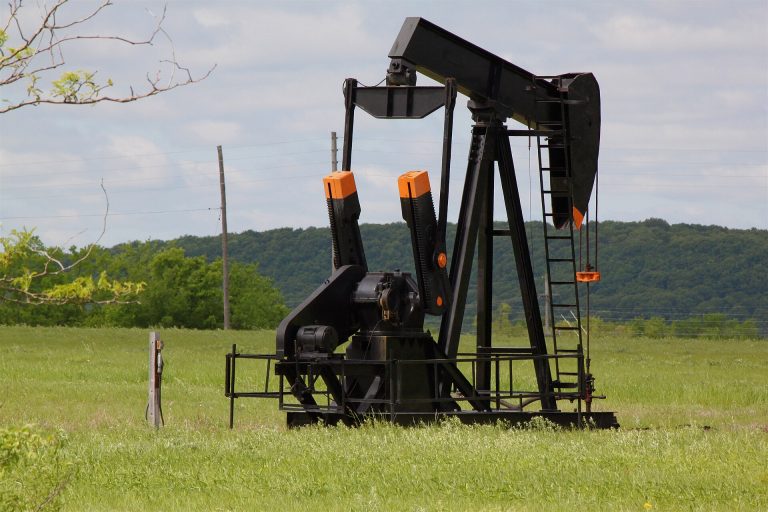
Eleven states, two tribal governments and dozens of municipalities have sued oil companies over the climate emergency. The cases rely on science linking climate disasters to fossil fuel emissions and evidence that companies knew about risks from their products, the source reports.
New York and Vermont have also enacted climate superfund laws intended to recover disaster costs from fossil fuel companies. Both laws have faced opposition, including challenges by the Department of Justice. A judge struck down New York’s law in September, and Governor Kathy Hochul is appealing.
The proposal would also target source attribution science, which links climate disasters to emissions from specific oil and gas companies. Its text says such efforts “lack scientific credibility and are, therefore, arbitrary.” Mulvey said the bill’s focus on the field and its scientists showed how much proponents were concerned about accountability.
Legal challenges over public accountability take different forms. Law News Day has covered calls for scrutiny of election warrant requests and a separate dispute over workplace legal duties.
Industry Liability Shields Have Precedents
The source places the proposal in a longer history of industries seeking congressional protection from lawsuits. Tobacco companies unsuccessfully lobbied for a liability shield in the 1990s, when they faced suits seeking costs tied to smoking-related illnesses.
In 2005, Congress passed the Protection of Lawful Commerce in Arms Act after lawsuits sought to hold gunmakers liable for violence. The National Rifle Association had lobbied for the measure. Mulvey said the fossil fuel industry has explicitly cited that law as a model for its own effort.
Advocates also point to parallel activity in state legislatures. A ProPublica investigation reported that immunity bills in several Republican-controlled state houses were part of a coordinated effort involving a rightwing network that included activist Leonard Leo and the American Legislative Exchange Council. Leo did not dispute the investigation’s findings in a statement to ProPublica.
Shornstein said five states enacted legislation during the current cycle that provides broad legal protections to the industry. She urged vigilance as lawmakers consider the federal proposal. Whether Congress advances the bill or attaches its language elsewhere remains unresolved, leaving the measure’s fate tied to decisions before the current Congress ends.